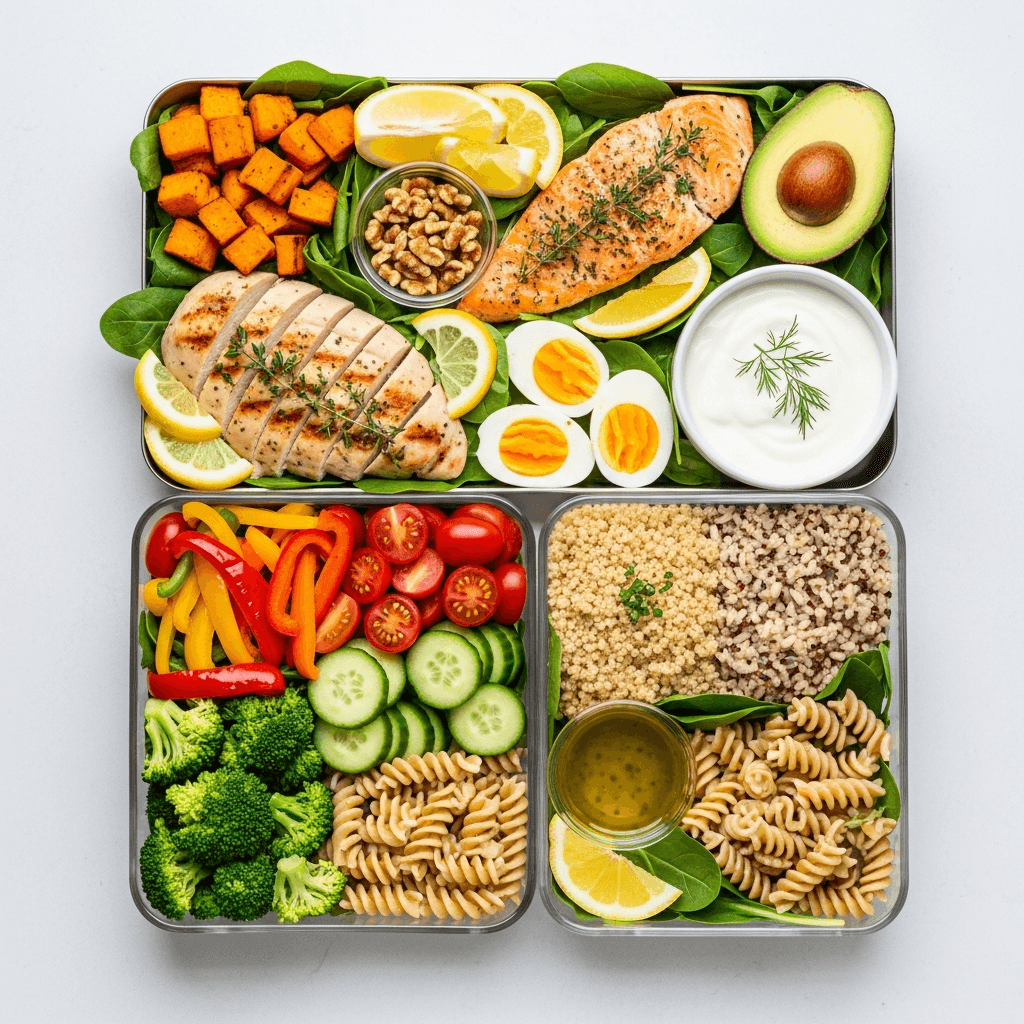
A 2000-calorie athlete meal plan works for active individuals with moderate training loads — typically 45–75 minutes of moderate-to-hard exercise per day. The calories break down to approximately 225g carbohydrates, 150g protein, and 65g fat, aligned with performance nutrition guidelines from the American College of Sports Medicine and the International Society of Sports Nutrition. This isn't a diet — it's a fueling strategy designed to support training, maximize recovery, and avoid the energy deficits that cause fatigue, poor performance, and injury.
Are 2000 Calories Right for You?
Before diving into the plan, confirm the calorie target fits your needs. Calorie requirements vary significantly by body weight, training intensity, and training volume.
Estimated Daily Calorie Needs for Athletes
| Body Weight | Light Training (30–45 min) | Moderate Training (45–75 min) | Hard Training (90+ min) |
|---|---|---|---|
| 55 kg (121 lb) | 1,800–2,000 | 2,000–2,300 | 2,300–2,700 |
| 65 kg (143 lb) | 2,000–2,200 | 2,200–2,600 | 2,600–3,100 |
| 75 kg (165 lb) | 2,200–2,500 | 2,500–2,900 | 2,900–3,500 |
| 85 kg (187 lb) | 2,400–2,700 | 2,700–3,200 | 3,200–3,800 |
If you're a larger athlete or doing 90+ minutes of hard training daily, a 2000-calorie plan may create an energy deficit. That's appropriate if weight management is a goal, but harmful if performance is the priority.
Macro Breakdown: The 2000-Calorie Athlete Split
| Macronutrient | Grams | Calories | % of Total |
|---|---|---|---|
| Carbohydrates | 225g | 900 | 45% |
| Protein | 150g | 600 | 30% |
| Fat | 56g | 504 | 25% |
Why These Ratios?
Carbohydrates (45%): Carbs are the primary fuel for moderate-to-high intensity exercise. At Zone 3–4 effort, your muscles predominantly burn glycogen (stored carbohydrate). Athletes performing sustained aerobic training need substantially more carbohydrate than sedentary individuals. 225g provides enough for daily training without excess.
Protein (30%): Endurance athletes require 1.4–1.7g/kg/day for muscle repair and adaptation. For a 65kg athlete, that's 91–110g; this plan's 150g exceeds minimum requirements, which supports recovery, preserves muscle during caloric restriction, and supports strength training if combined with calisthenics or lifting.
Fat (25%): Fat provides essential fatty acids, supports hormone production (including testosterone and cortisol regulation), and fuels long low-intensity aerobic work. Fat intake shouldn't be excessively restricted even on a 2000-calorie plan.
Full-Day Meal Plan
Breakfast — 500 Calories
Option A: Oatmeal Bowl with Berries and Eggs
| Food | Quantity | Calories | Protein | Carbs | Fat |
|---|---|---|---|---|---|
| Rolled oats (dry) | 80g | 290 | 11g | 50g | 6g |
| Mixed berries | 100g | 50 | 1g | 12g | 0g |
| 2 large eggs (scrambled) | 2 eggs | 140 | 12g | 1g | 10g |
| Almond butter | 10g | 60 | 2g | 2g | 5g |
| Totals | 540 | 26g | 65g | 21g |
Option B: Greek Yogurt Parfait + Toast
| Food | Quantity | Calories | Protein | Carbs | Fat |
|---|---|---|---|---|---|
| Greek yogurt (0% fat) | 200g | 130 | 22g | 8g | 0g |
| Granola | 30g | 120 | 3g | 19g | 4g |
| Banana | 1 medium | 105 | 1g | 27g | 0g |
| Whole grain toast | 1 slice | 80 | 4g | 14g | 1g |
| Totals | 435 | 30g | 68g | 5g |
Coffee/tea is fine; avoid adding more than 10–15g sugar.
Morning Snack — 200 Calories (if training later)
Option A:
- 150g cottage cheese (130 cal, 19g protein) + 1 small apple (70 cal, 18g carbs)
Option B:
- 30g mixed nuts (180 cal, 5g protein, 5g carbs, 16g fat)
- 1 rice cake (35 cal)
Lunch — 550 Calories
Chicken + Rice + Vegetables Bowl
| Food | Quantity | Calories | Protein | Carbs | Fat |
|---|---|---|---|---|---|
| Grilled chicken breast | 150g | 247 | 46g | 0g | 5g |
| White rice (cooked) | 150g | 195 | 4g | 43g | 0g |
| Broccoli + bell pepper | 150g | 45 | 3g | 8g | 0g |
| Olive oil (dressing) | 10ml | 88 | 0g | 0g | 10g |
| Totals | 575 | 53g | 51g | 15g |
Alternatives:
- Salmon + sweet potato + salad
- Tuna wrap (whole grain tortilla, tuna, avocado, cucumber)
- Tofu stir-fry + noodles (plant-based option)
Afternoon Snack — 150 Calories
Pre-workout snack (if training in the late afternoon):
- 1 banana + 10g peanut butter: 165 cal, 4g protein, 30g carbs, 5g fat
- OR 1 rice cake + 30g hummus + cucumber: 120 cal, 4g protein, 18g carbs, 3g fat
Dinner — 600 Calories
Salmon + Quinoa + Roasted Vegetables
| Food | Quantity | Calories | Protein | Carbs | Fat |
|---|---|---|---|---|---|
| Salmon fillet | 150g | 312 | 31g | 0g | 20g |
| Quinoa (cooked) | 150g | 180 | 7g | 33g | 3g |
| Roasted sweet potato | 150g | 130 | 2g | 30g | 0g |
| Spinach + olive oil | 100g + 5ml | 70 | 3g | 4g | 5g |
| Totals | 692 | 43g | 67g | 28g |
Adjust portions down by 10–15% if the total is higher than your target.
Evening Snack — 150–200 Calories
A small protein-rich snack before bed supports overnight muscle recovery and protein synthesis.
- 200g Greek yogurt (0% fat): 130 cal, 22g protein
- 150g cottage cheese + cinnamon: 130 cal, 18g protein
- 30g casein protein powder in milk: 180 cal, 25g protein
Daily Totals (approximate)
| Meal | Calories | Protein | Carbs | Fat |
|---|---|---|---|---|
| Breakfast | 500 | 26g | 65g | 20g |
| Morning snack | 200 | 19g | 18g | 3g |
| Lunch | 550 | 53g | 51g | 15g |
| Afternoon snack | 150 | 4g | 30g | 5g |
| Dinner | 600 | 43g | 67g | 28g |
| Evening snack | 150 | 22g | 9g | 0g |
| Total | 2150 | 167g | 240g | 71g |
This runs slightly above 2000 calories; adjust portion sizes of any meal to hit your specific target.
Meal Timing Around Workouts
When you eat matters as much as what you eat for athletic performance.
Pre-Workout Nutrition
2–3 hours before training:
- Full meal: carbs + protein + moderate fat
- Example: lunch as described above (chicken + rice + vegetables)
- Gives time for digestion; avoids GI distress during exercise
30–60 minutes before training (if needed):
- Small carbohydrate snack only: banana, rice cake, sports gel
- Avoid fat and fiber — they slow digestion and can cause GI issues
- 150–200 calories maximum
Hydration pre-workout: 500–750ml water in the 2 hours before exercise.
During Training
| Duration | Fueling Strategy |
|---|---|
| < 45 min | Water only |
| 45–60 min | Water; consider 20–30g carbs if high intensity |
| 60–90 min | 30–60g carbs/hour (gels, sports drink) |
| 90+ min | 60–90g carbs/hour; electrolytes |
For endurance training over 90 minutes, carbohydrate intake during exercise directly affects performance and delays fatigue. Practice race-day nutrition in training — never try a new gel or drink on race day.
Post-Workout Recovery Window
The "anabolic window" — the 30–60 minutes after training — is real but less critical than once believed. What matters most: consuming adequate protein and carbohydrates within 2–3 hours of exercise.
Optimal post-workout meal composition:
- Protein: 20–40g to stimulate muscle protein synthesis
- Carbohydrates: 0.5–1g per kg of body weight to replenish glycogen
- Timing: Within 2 hours of completing training
Quick post-workout options:
- Chocolate milk (surprisingly effective): 500ml = 170 cal, 16g protein, 26g carbs
- Greek yogurt + banana: 230 cal, 23g protein, 35g carbs
- Protein shake + rice cake: 200 cal, 25g protein, 25g carbs
Hydration for Athletes
A 2000-calorie meal plan covers food, but hydration is equally critical.
| Condition | Daily Water Target |
|---|---|
| General baseline | 2.5–3L |
| Light training (under 45 min) | 3–3.5L |
| Moderate training (45–75 min) | 3.5–4L |
| Hard training or hot weather | 4–5L+ |
Electrolytes: For exercise beyond 60–90 minutes, or in hot conditions, sodium and potassium losses through sweat need replacement. A sports drink, electrolyte tablet, or salted food post-workout prevents the fatigue, cramping, and headaches associated with electrolyte depletion.
Simple hydration check: Urine should be pale yellow. Dark yellow = dehydrated; clear = overhydrated.
Plant-Based Athlete Adaptations
The 2000-calorie plan can be adapted for vegetarian or vegan athletes. Key protein substitutions:
| Animal Protein Source | Plant-Based Equivalent |
|---|---|
| Chicken breast (30g protein) | Firm tofu (150g = 18g) + edamame (150g = 15g) |
| Greek yogurt (22g protein) | Soy yogurt (10–14g) + hemp seeds (10g) |
| Eggs (12g for 2 eggs) | Scrambled silken tofu + nutritional yeast |
| Salmon (31g protein) | Tempeh (180g = 30g protein) |
Key nutrients to monitor on plant-based diets: Vitamin B12, iron, zinc, calcium, omega-3 (EPA/DHA), and complete amino acid profiles. Consider supplementation for B12 and DHA specifically.
How FlipMP Connects Training and Nutrition
Tracking calories and macros in isolation doesn't tell the full story. FlipMP connects your training data (from Strava, Garmin, Apple Health, and other platforms) with your nutrition log to show your net caloric balance — whether you're fueling enough for your actual training load.
The AI coach can flag patterns like consistently under-eating on hard training days (which slows recovery), or over-consuming on rest days (which can affect body composition goals). It calculates your estimated daily energy expenditure from your actual activity data, not a generic formula.
Track your training nutrition on FlipMP →